Discover Shokudo Miami
Walking into Shokudo Miami feels like stepping into a neighborhood kitchen that just happens to be run with serious culinary discipline. Located at 4740 NE 2nd Ave, Miami, FL 33137, United States, this Japanese-inspired diner has built a reputation for doing simple food extremely well, and that reputation shows up consistently in local reviews and repeat visits. I’ve eaten here multiple times, both on quick weekday lunches and slow weekend dinners, and the experience stays remarkably steady in quality.
The menu leans heavily into comfort classics like ramen, curry rice, and donburi, but everything is executed with balance and restraint. Instead of oversized portions or heavy seasoning, the kitchen focuses on clarity of flavor. Their ramen broths, for example, follow a method similar to what culinary schools in Japan teach: long simmering times, controlled fat levels, and careful layering of umami using kombu and bonito. According to research shared by the Japanese Culinary Academy, broth clarity and aroma are two of the strongest indicators of ramen quality, and that attention is obvious here once the bowl hits the table.
One visit stands out when I ordered the chicken katsu curry. The cutlet arrived crisp without being greasy, paired with a curry sauce that leaned savory rather than sweet. This style mirrors what the Japan Curry Association defines as modern home-style curry, which prioritizes depth over spice heat. It’s the kind of dish that explains why diners keep mentioning consistency in their reviews. Nothing feels rushed, even during peak hours.
Service plays a quiet but important role. Orders are taken efficiently, food arrives promptly, and staff members know the menu well enough to explain differences between broth styles or suggest substitutions. That kind of familiarity doesn’t happen by accident. Restaurants that invest in staff training tend to perform better long-term, a point backed by data from the National Restaurant Association, which notes that knowledgeable service directly impacts customer trust and return visits.
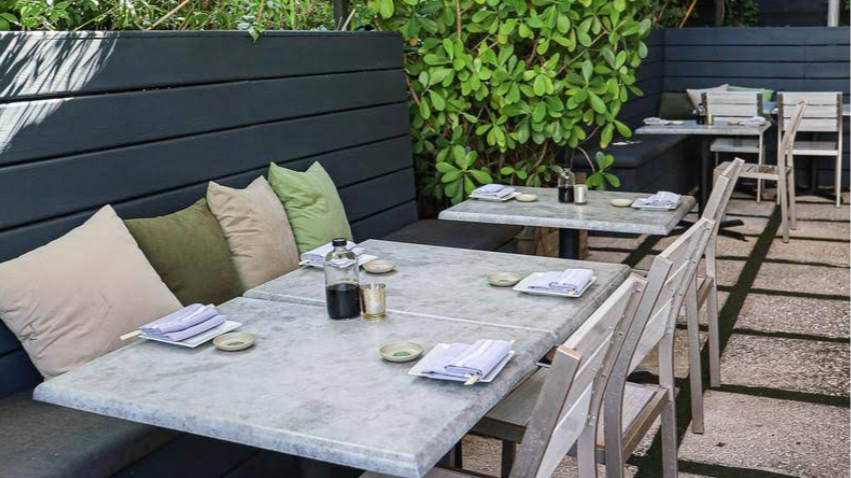
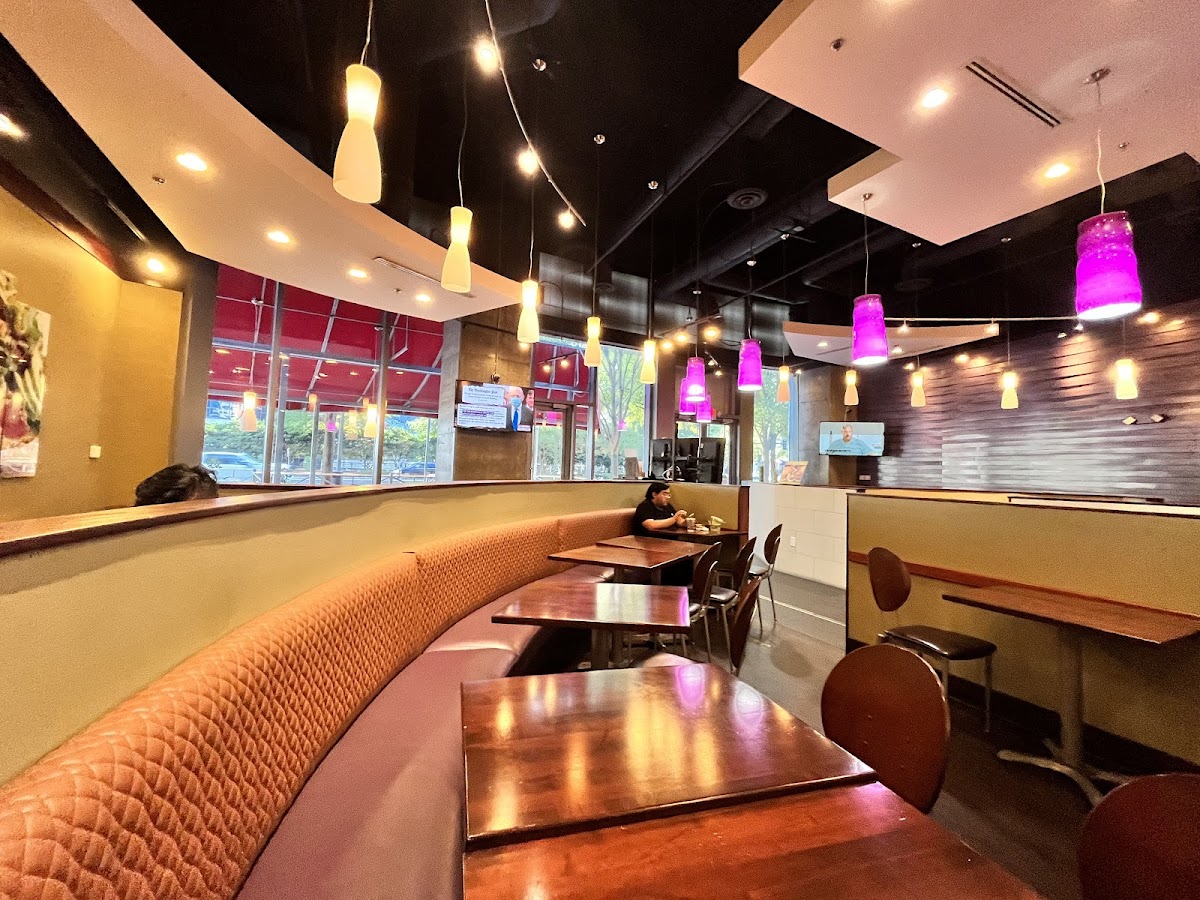
Another strength is how the space fits into its surroundings. Miami’s dining scene is crowded with trend-driven concepts, yet this diner keeps things grounded. The dining room feels casual, almost minimalist, which makes sense given Japanese design principles that emphasize function and calm. During one visit, I noticed several guests working quietly at tables with laptops, while others shared meals with family. That flexibility adds to its appeal as a neighborhood staple rather than a one-time destination.
While the food quality is reliable, it’s worth acknowledging limitations. The menu doesn’t rotate frequently, so diners looking for constant seasonal changes might find it predictable. That said, predictability works in its favor for regulars who want to know exactly what they’re getting. In fact, consistency is often cited by organizations like the James Beard Foundation as a hallmark of enduring restaurants, especially casual ones.
Locations matter too, and being in the Upper Eastside area makes this spot accessible without the chaos of more tourist-heavy zones. Parking can be tight during busy hours, but that’s a neighborhood issue rather than a restaurant flaw. Most reviewers seem willing to overlook it in exchange for dependable food and a relaxed atmosphere.
What ultimately makes this place work is trust. The ingredients taste fresh, portions feel fair, and nothing on the menu promises more than it delivers. In an industry where expectations are often inflated, that honesty stands out. Over time, that’s what turns a simple diner into a reliable part of the local food landscape.